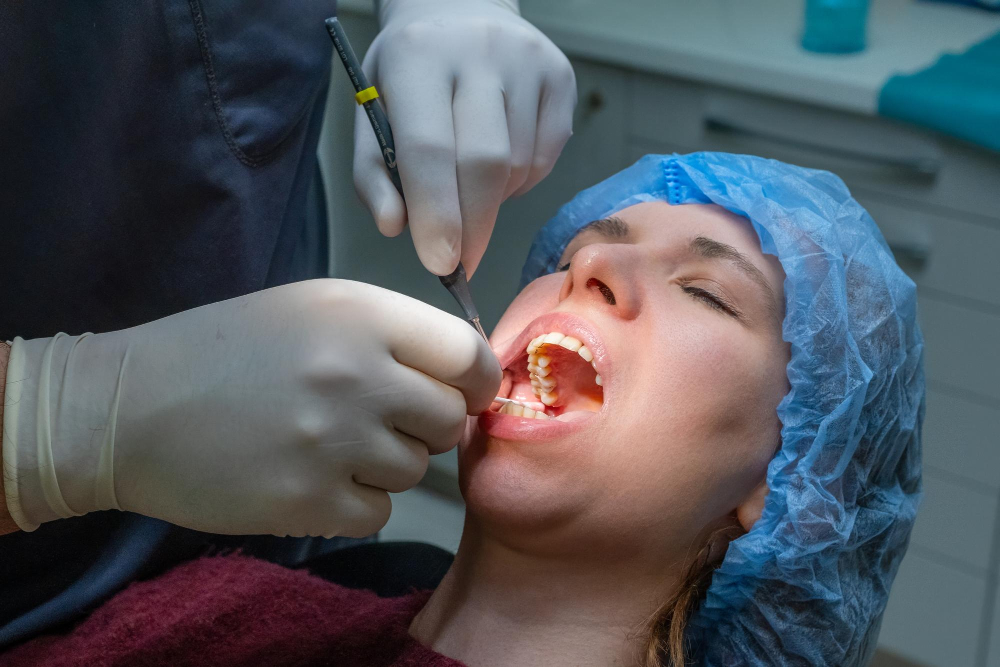
What Are Pit and Fissure Sealants?
Pit and fissure sealants are thin, protective coatings. Dentists apply them to the chewing surfaces of back teeth. Usually, these teeth have tiny grooves called pits and fissures. Because these grooves are deep, food and germs can get trapped easily. As a result, brushing alone may not clean them well. Sealants help by covering these areas and keeping them safe from decay.
How Do Pit and Fissure Sealants Work?
First, the dentist cleans the tooth. Then, they paint the sealant onto the grooves. The sealant quickly hardens, forming a shield over the tooth. This barrier blocks food and germs from getting into the pits and fissures. Therefore, it lowers the risk of cavities. According to the CDC, sealants can prevent up to 80% of cavities in back teeth.
Benefits of Pit and Fissure Sealants
There are many reasons to consider dental sealants for children and adults. For example, sealants:
Because sealants are safe and effective, many dentists recommend them for children and teens.
Who Should Get Pit and Fissure Sealants?
Most often, children and teenagers benefit the most. Their new permanent molars are at high risk for decay. However, adults without fillings or decay in their back teeth can also get sealants. In some cases, dentists may suggest sealants for baby teeth if they have deep grooves. This helps protect them until the adult teeth come in.
The Procedure: What to Expect
Getting pit and fissure sealants is simple and fast. Here is what usually happens:
Most appointments take only a few minutes per tooth. There is no pain, and you can eat right after.
Safety and Side Effects
Pit and fissure sealants are very safe. Side effects are rare. Some people may have a mild taste from the materials, but it goes away quickly. Allergic reactions are extremely uncommon. The American Dental Association and CDC both support the use of sealants for children and teens.
How Sealants Help Prevent Tooth Decay
Because sealants cover the deep grooves, they stop food and germs from hiding there. This makes it much harder for cavities to form. In fact, studies show that children with sealants have far fewer cavities than those without. When used along with brushing, flossing, and regular dental visits, sealants offer strong protection against tooth decay.
Aftercare and Maintenance Tips
Sealants need little care, but you should still:
If a sealant wears down or chips, your dentist can repair it easily.
Frequently Asked Questions
In summary, pit and fissure sealants are a safe and easy way to protect teeth from decay. They work well for both children and adults. Wondering if pit and fissure sealants are right for your teeth? Consult Dr. Avior Awaskar for expert advice.