Introduction
Full mouth rehabilitation is a dental treatment that restores all teeth in your mouth. It is important for people with severely worn or damaged teeth. Often, this approach helps improve chewing, speech, and appearance. For many, full mouth rehabilitation offers hope and lasting solutions for worn teeth. According to the American Dental Association, early treatment can prevent further damage and pain.
Symptoms and Signs of Severely Worn or Damaged Teeth
Recognizing the signs early can help you seek treatment for damaged teeth. Common symptoms include:
If you notice any of these signs, it is wise to consult a dentist soon. Early care can prevent further problems.
Common Causes
There are several reasons why teeth become worn or damaged. Some of the most common causes include:
Because these causes can add up over time, regular dental visits are important for prevention.
Diagnostic Process
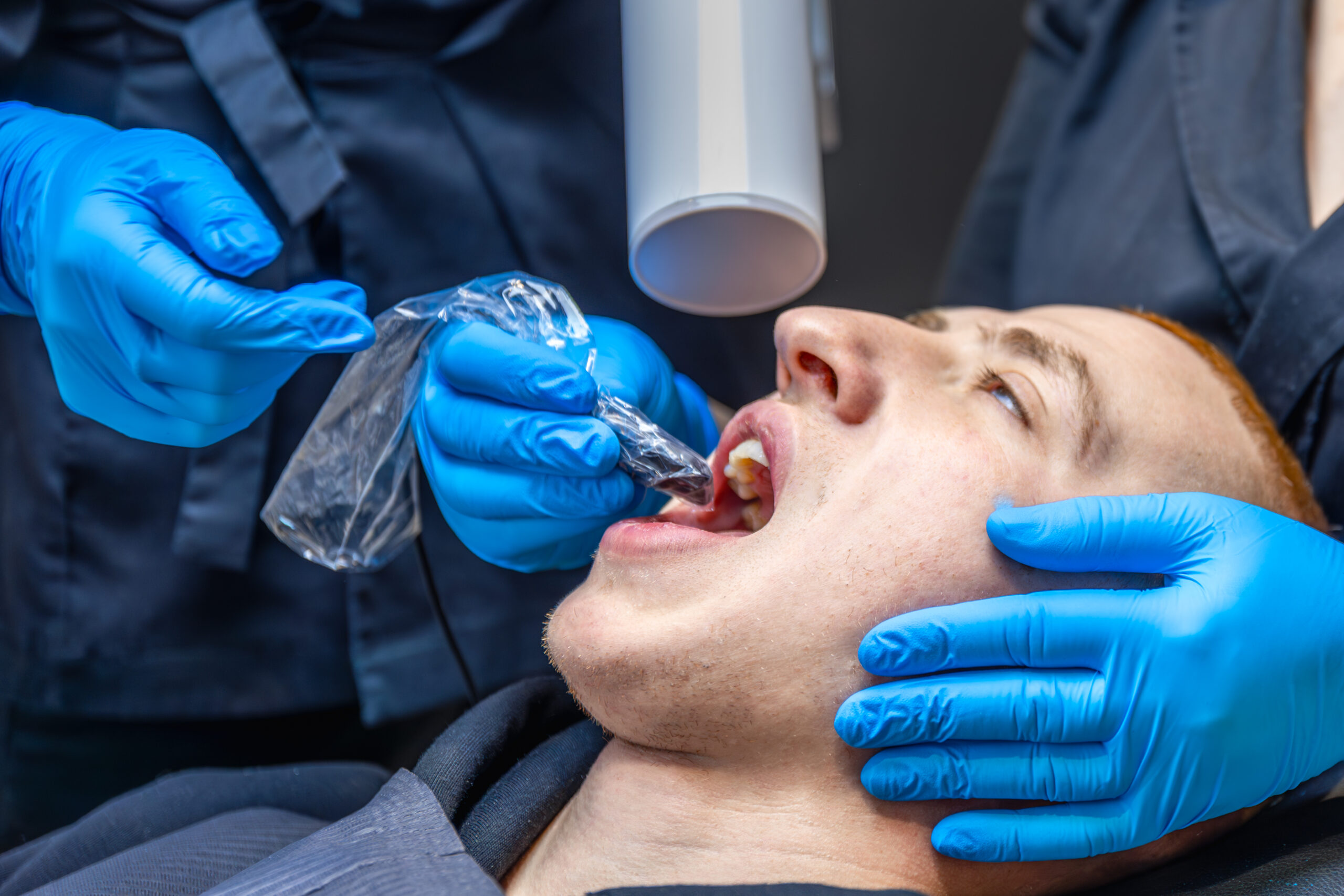
First, your dentist will examine your mouth and teeth. They may ask about your symptoms and dental history. Next, X-rays or digital scans help show the extent of damage. Sometimes, models of your teeth are made to plan treatment. In many cases, your dentist will check your bite and jaw movement. This thorough process ensures you get the right solutions for worn teeth.
Treatment Options
Full mouth rehabilitation uses several treatments to restore your smile. Depending on your needs, your dentist may suggest:
Often, a combination of these treatments gives the best results. Your dentist will create a plan tailored to your needs. With the right approach, you can regain comfort and confidence.
Benefits and Expected Outcomes
Full mouth rehabilitation offers many benefits. For example, you may notice:
Most people feel more confident after treatment. With proper care, results can last for many years.
Lifestyle and Oral Care Guidance
After full mouth rehabilitation, good oral care is vital. For best results, follow these tips:
Because habits matter, small changes can protect your new smile.
Prevention Tips
Preventing tooth wear and damage is easier than you think. Try these simple steps:
With regular care, you can keep your teeth healthy for life.
Conclusion
Full mouth rehabilitation offers comprehensive solutions for worn or damaged teeth. Early action can restore your smile and improve your quality of life. Consult a dental specialist Avior Awaskar for personalized guidance.