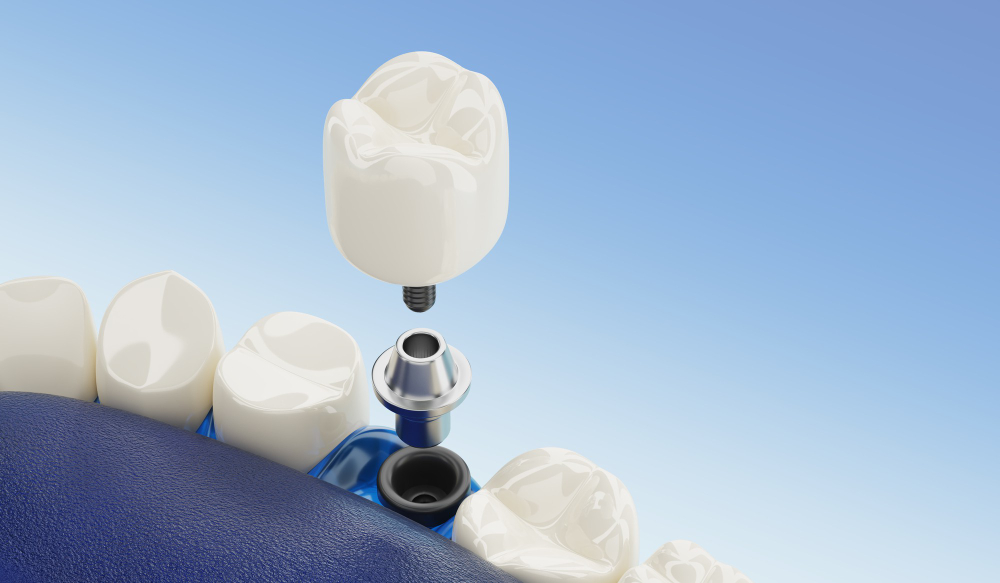
What Are Dental Implants?
Dental implants are small metal posts that replace missing teeth. Usually, dentists use titanium for these posts. After placing the implant in your jawbone, they attach a crown on top. This crown looks and feels like a real tooth. Because dental implants are strong, they can last for many years. In fact, many people choose dental implants for a natural-looking smile.
Benefits of Dental Implants
Dental implants offer many advantages over other tooth replacement options. For example, they look and feel like your own teeth. In addition, they help you chew and speak better. Here are some key benefits:
Because of these benefits, many people prefer dental implants over bridges or dentures.
Who Is a Candidate for Dental Implants?
Not everyone can get dental implants. However, many adults are good candidates. You may be a candidate if:
Still, some health conditions may affect healing. For example, people with uncontrolled diabetes or certain bone diseases may not be good candidates. Therefore, your dentist will check your health before starting the process.
The Dental Implant Procedure: Step-by-Step
Getting dental implants takes several steps. Although the process may seem long, each step is important for success. Here is what you can expect:
Because each person is different, your dentist will create a plan just for you.
Aftercare and Recovery Tips
Proper care helps your dental implants last longer. Right after surgery, you may feel some swelling or discomfort. However, these symptoms usually go away in a few days. To help your recovery, follow these tips:
With good care, your dental implants can stay healthy for many years.
Risks and Possible Complications
Dental implants are safe for most people. Still, as with any surgery, there are some risks. For example, you might get an infection at the implant site. Sometimes, the implant may not join with the bone. In rare cases, nerves or nearby teeth can be damaged. However, most problems are minor and can be treated quickly. Your dentist will explain all risks before the procedure. According to the American Dental Association, dental implants have a high success rate.
Frequently Asked Questions About Dental Implants
Conclusion
Dental implants can restore your smile and improve your quality of life. Because they look and feel natural, many people choose them over other options. If you are missing teeth, talk to your dentist about dental implants. Consult Dr. Avior Awaskar to find out if dental implants are right for you.