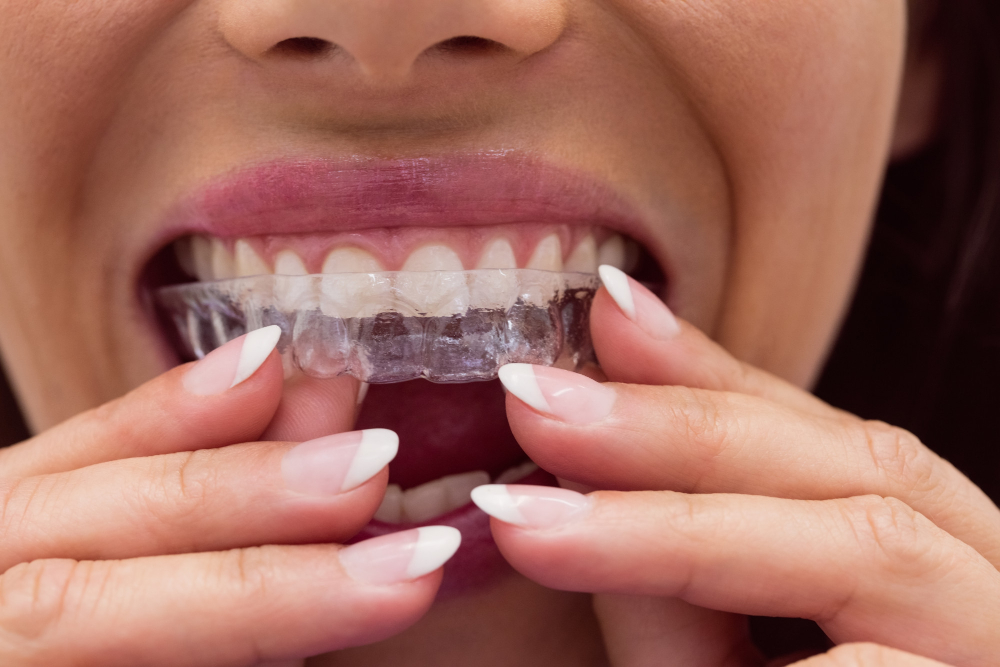
What Is Bruxism?
Bruxism means you grind, clench, or gnash your teeth. Many people do this at night without knowing. Because it often happens during sleep, it is called “sleep bruxism.” Teeth grinding at night can harm your teeth and jaw. Over time, it may lead to pain or other dental problems. Although anyone can have bruxism, it is more common in adults and children under stress. According to the American Dental Association, bruxism affects about 10% of adults and up to 15% of children.
Common Symptoms and Risks of Teeth Grinding
Bruxism can cause many symptoms. Some people may not notice them right away. However, early signs can help you seek help sooner. Watch for these symptoms:
Because bruxism can damage your teeth, it may also lead to broken fillings or crowns. Over time, untreated grinding can cause jaw joint problems, known as TMJ disorders. Therefore, it is important to notice these signs early.
How Night Guards Help: Benefits and Types
Night guards for bruxism are dental devices you wear while sleeping. They act as a cushion between your upper and lower teeth. As a result, they help prevent damage from grinding. Here are some key benefits of using a dental night guard:
There are different types of night guards. Some are available over-the-counter, while others are custom-made by a dentist. Custom night guards fit your mouth better and offer more comfort. However, store-bought guards may be a quick, temporary solution.
Diagnosis: When to See a Dentist
If you notice signs of teeth grinding or jaw pain, you should see a dentist. Early diagnosis can prevent further damage. Your dentist will check your teeth and ask about your symptoms. Sometimes, they may ask about your sleep habits or stress levels. In some cases, your dentist may recommend a sleep study to rule out other problems, such as sleep apnea. Because bruxism can be linked to stress or other health issues, a full check-up is helpful.
Treatment Options and Custom Night Guards
There are several ways to treat bruxism. Your dentist may suggest:
Custom night guards are made to fit your teeth exactly. First, your dentist takes a mold of your mouth. Then, a lab creates a guard that fits you perfectly. Because they fit well, custom guards are more comfortable and last longer than store-bought ones. According to the CDC, using a night guard can greatly reduce tooth damage and jaw pain.
Tips for Using and Caring for Your Night Guard
To get the most from your night guard, you should care for it properly. Here are some simple tips:
Because bacteria can build up, never use hot water to clean your guard. Hot water can warp the material. If your guard feels loose or uncomfortable, let your dentist know right away.
Prevention and Lifestyle Guidance
Although night guards help, you can also take steps to prevent bruxism. Try these lifestyle tips:
Because habits can be hard to change, small steps make a big difference over time. If you live in a busy city or stressful area, stress management is even more important.
Consult your dentist Avior Awaskar for personalized advice on night guards for bruxism.