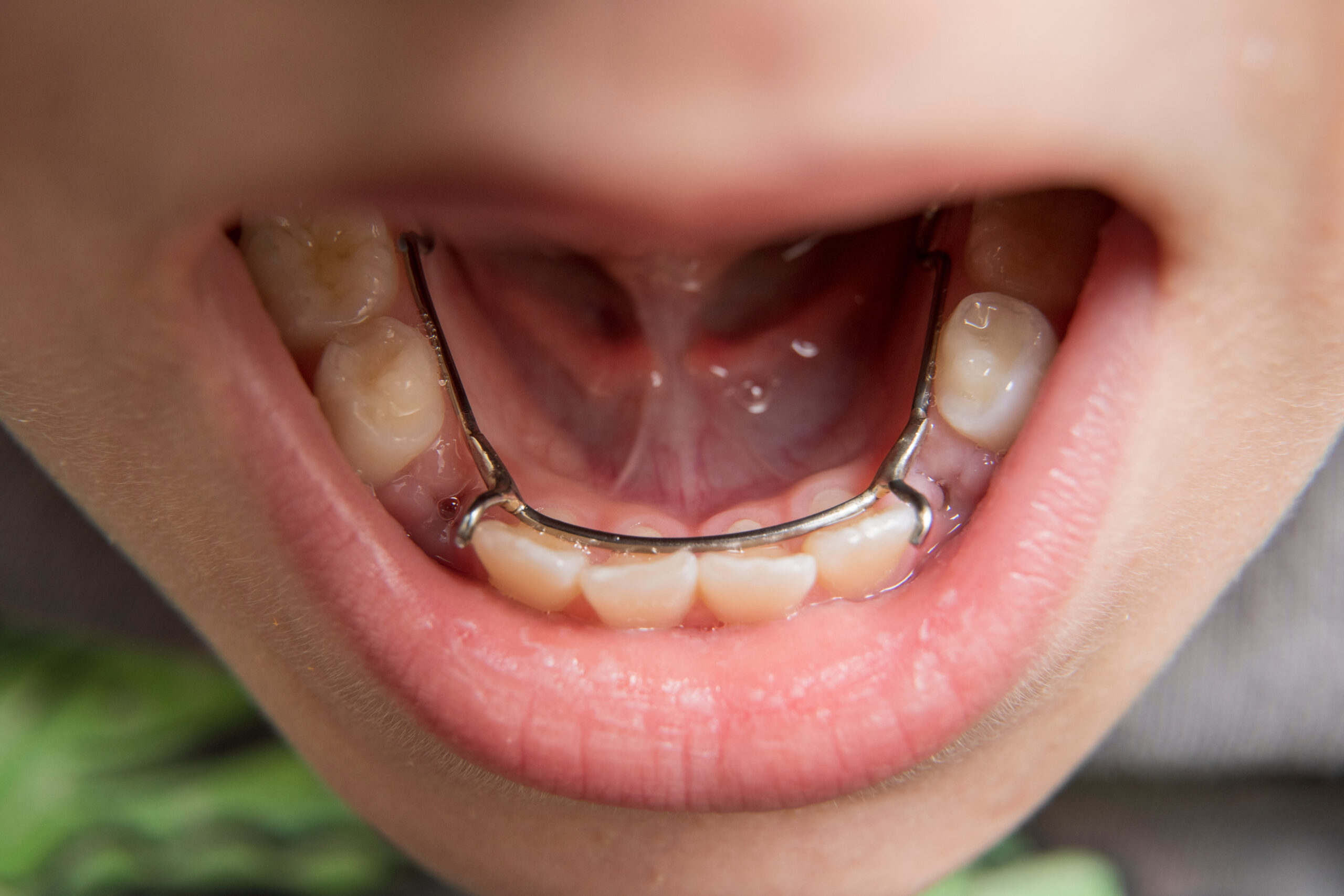
What Are Space Maintainers?
Space maintainers are small dental devices that help keep the gap open when a child loses a baby tooth too soon. Usually, these devices are made of metal or plastic. Dentists use them to make sure there is enough space for the permanent tooth to come in later. Without a space maintainer, nearby teeth may move into the empty spot. As a result, the new tooth may not have enough room to grow properly. Space maintainers are a common tool in pediatric dentistry and early tooth loss care.
Why Are Space Maintainers Needed After Early Baby Tooth Loss?
Sometimes, children lose baby teeth earlier than expected. This can happen due to injury, decay, or other dental problems. When a baby tooth is lost too soon, the teeth next to the gap may shift. Because of this, the space for the permanent tooth can close up. If the permanent tooth does not have enough room, it may come in crooked or not at all. Therefore, space maintainers help prevent crowding and future dental issues. According to the American Dental Association, using a space maintainer can help guide teeth into their correct positions.
Types of Space Maintainers
There are several types of space maintainers. Dentists choose the best type based on your child’s needs. Some common types include:
Each type has its own benefits. However, your dentist will recommend the best option for your child.
How Are Space Maintainers Placed?
First, the dentist will check your child’s mouth and take X-rays if needed. Next, they will choose the right type of space maintainer. For fixed types, the dentist may take a mold of your child’s teeth. Then, the device is made to fit perfectly. During a short visit, the dentist attaches the space maintainer to the teeth. The process is quick and usually painless. For removable types, the dentist will show your child how to wear and care for the device. After placement, regular check-ups are important to make sure the space maintainer is working well.
Benefits and Risks of Space Maintainers
Space maintainers offer many benefits for children with early tooth loss. For example, they:
However, there are some risks to consider. Sometimes, space maintainers can break or come loose. Food may get stuck around the device, which can cause gum problems if not cleaned well. In rare cases, the device may irritate the mouth. But with good care and regular dental visits, most children do very well with space maintainers.
Caring for Space Maintainers: Tips for Parents
Proper care is important to keep space maintainers working well. Here are some helpful tips:
With these steps, you can help your child’s teeth stay healthy and strong.
Prevention and Early Dental Care
Good dental care can help prevent early tooth loss. For instance, regular brushing and flossing remove harmful bacteria. Limiting sugary snacks and drinks also protects baby teeth from decay. In addition, regular dental visits help catch problems early. If your child does lose a baby tooth too soon, early action is key. Therefore, talk to your dentist about space maintainers and other options. Early care can make a big difference in your child’s dental health.
In summary, space maintainers play an important role in keeping your child’s smile healthy after early baby tooth loss. Consult Dr Avior Awaskar, Oral and Maxillofacial Surgeon, to determine if a space maintainer is right for your child.