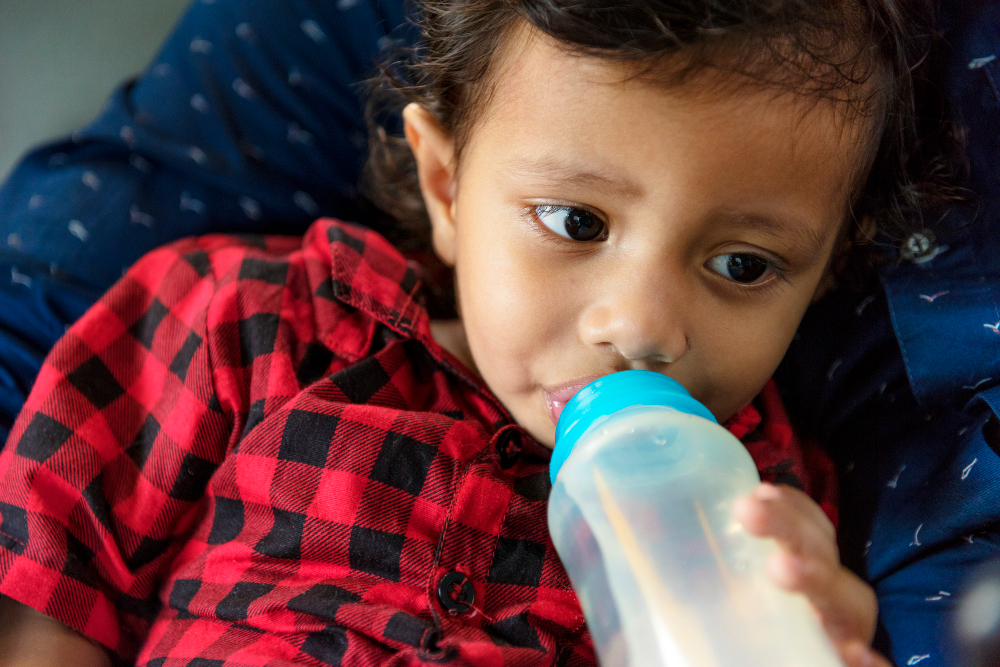
Introduction to Nursing Bottle Caries
Nursing bottle caries is a common dental problem in young children. It is also called baby bottle tooth decay. This condition causes rapid tooth decay in infants and toddlers. Often, it happens when sweet liquids stay on a child’s teeth for a long time. For example, milk, formula, or juice can lead to this problem. Because early tooth decay can hurt your child’s health, it is important to know how to prevent it. Good oral health for toddlers starts with simple daily habits.
Symptoms and Early Signs
Early signs of nursing bottle caries can be easy to miss. However, spotting them early helps prevent serious problems. Look for these symptoms:
If you notice any of these signs, act quickly. Early treatment can save your child’s teeth.
Causes and Risk Factors
There are several causes of nursing bottle caries. Most often, it happens when a child drinks sugary liquids from a bottle, especially at bedtime. Bacteria in the mouth use sugar to make acid. This acid then attacks the teeth. Over time, this leads to decay. Some risk factors include:
Because these habits are common, it is important to be aware and take steps to prevent tooth decay in infants.
Diagnosis and When to See a Dentist
Although parents may notice early signs, only a dentist can confirm nursing bottle caries. Dentists look for spots, cavities, and gum problems. They may use special lights or X-rays to check the teeth. If your child has any symptoms, see a dentist right away. Early visits help prevent pain and tooth loss. The American Academy of Pediatric Dentistry suggests a first dental visit by age one. Even if there are no problems, regular check-ups are important.
Effective Prevention Strategies
Preventing tooth decay in infants is possible with simple steps. Here are some effective strategies:
Because these habits start early, they help protect your child’s teeth for life.
Treatment Options
If your child has nursing bottle caries, treatment depends on how severe it is. For mild cases, dentists may use fluoride to stop decay. In some cases, they may fill or repair the teeth. If decay is advanced, a dentist might need to remove the tooth. Early treatment is always best. This helps your child avoid pain and keeps their mouth healthy.
Home Care and Lifestyle Tips
Good home care is key for oral health for toddlers. Try these tips every day:
Because small changes can make a big difference, start these habits early.
Frequently Asked Questions
Can breastfed babies get nursing bottle caries?
Yes, breastfed babies can get tooth decay if they feed often at night and teeth are not cleaned. However, the risk is lower than with sugary drinks.
Is it safe to use fluoride toothpaste for toddlers?
Yes, but use only a tiny smear for children under three. Always supervise brushing to prevent swallowing.
When should my child first see a dentist?
The first dental visit should be by age one or within six months after the first tooth appears.
Conclusion and Call-to-Action
Nursing bottle caries can cause pain and tooth loss in young children. However, you can prevent it with good habits and regular dental care. Because early action is best, watch for signs and talk to your dentist. Consult Dr Avior Awaskar, Oral and Maxillofacial Surgeon for personalized advice on preventing nursing bottle caries. Your child’s smile is worth it.