Introduction
When it comes to dental care, you may hear about orthodontics and prosthodontics. Both are dental specialties, but they focus on different needs. Understanding the difference between orthodontist and prosthodontist can help you choose the right dental specialist. This knowledge is important for getting the best care for your smile.
What is Orthodontics?
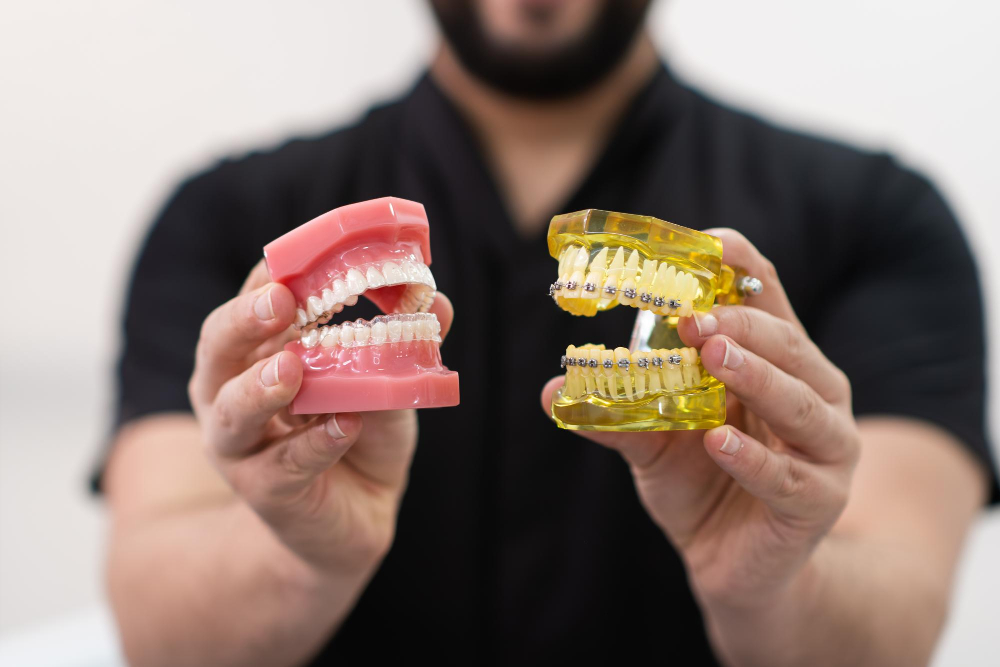
Orthodontics is a branch of dentistry that deals with straightening teeth and correcting bite problems. Orthodontists use special tools to move teeth into better positions. For example, they often use braces or clear aligners. These treatments help fix crowded, crooked, or spaced teeth. Children, teens, and adults may need orthodontic care. Usually, people seek orthodontics to improve their smile or fix bite issues. After treatment, teeth are straighter and easier to clean. As a result, this can lower the risk of tooth decay and gum disease. According to the American Dental Association (ADA), orthodontic care can also improve chewing and speech.
What is Prosthodontics?
Prosthodontics is another dental specialty. It focuses on restoring or replacing missing or damaged teeth. Prosthodontists use crowns, bridges, dentures, and dental implants to rebuild smiles. For instance, if you lose a tooth, a prosthodontist can replace it with a natural-looking option. People who have broken, worn, or missing teeth often need prosthodontic care. After treatment, patients can chew better and speak more clearly. In addition, prosthodontics can improve the look of your smile and boost confidence. The ADA notes that prosthodontists are experts in complex dental restorations.
Key Differences Between Orthodontics and Prosthodontics
How to Choose the Right Specialist
Choosing between an orthodontist and a prosthodontist depends on your needs. First, think about your main concern. If you want straighter teeth or a better bite, see an orthodontist. On the other hand, if you have missing or damaged teeth, a prosthodontist is the right choice. Sometimes, your dentist may refer you to one or both specialists. It is wise to ask about their experience and treatment options. In some cases, you may need care from both types of dental specialists. For those living in your area, search for “dental specialist types in [City/Region]” to find local experts.
Benefits of Each Specialty
Orthodontic Care
Prosthodontic Care
Prevention and Oral Health Tips
Good oral care can help you avoid many dental problems. For best results, follow these tips:
Conclusion
In summary, orthodontics and prosthodontics are both important dental specialties. Orthodontics focuses on straightening teeth, while prosthodontics restores or replaces them. Knowing the difference between orthodontist and prosthodontist helps you make better choices for your dental health. To get the best dental care tailored to you, consult Dr. Avior Awaskar, a specialist in the field.