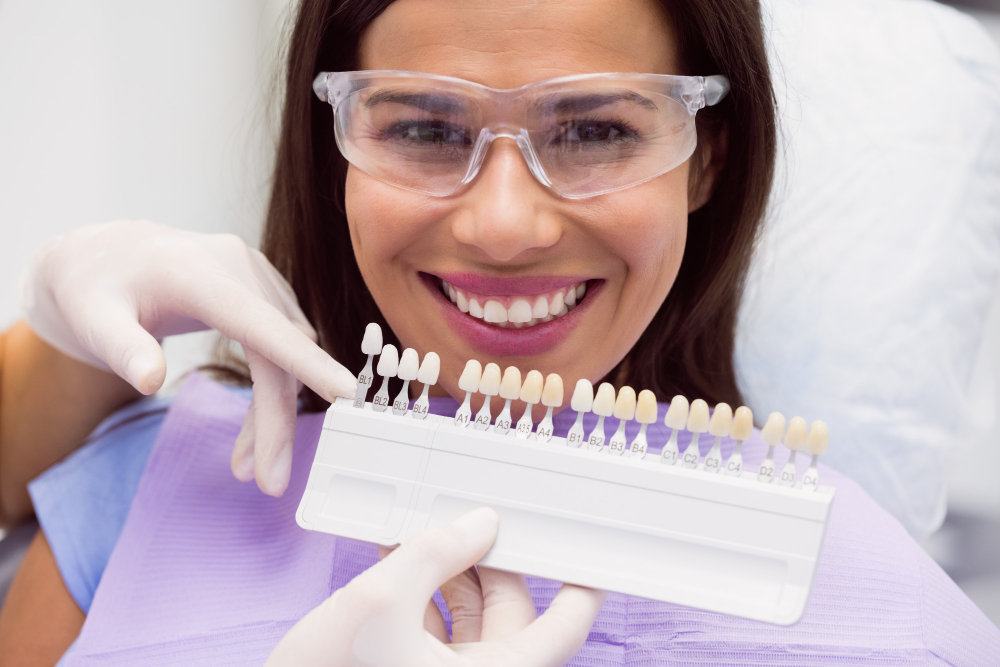
What Are Dental Veneers?
Dental veneers are thin covers placed on the front of teeth. They help improve the look of your smile. Often, dentists use porcelain or resin to make these covers. Because dental veneers look natural, many people choose them for a brighter smile. According to the American Dental Association, veneers can fix chipped, stained, or uneven teeth. In many cities, you can find clinics offering dental veneers for different needs.
Benefits of Dental Veneers
Dental veneers offer many advantages. For example, they can change the color, shape, and size of your teeth. Also, they provide a quick way to improve your smile. Here are some key benefits:
Because of these reasons, many people choose dental veneers to enhance their appearance.
Who Is a Good Candidate?
Not everyone is the right fit for dental veneers. However, you may be a good candidate if you:
On the other hand, people with gum disease or weak teeth may need other treatments. Therefore, it is important to talk to your dentist before deciding.
The Dental Veneer Procedure: Step-by-Step
The porcelain veneers procedure usually takes two or three visits. Here is what you can expect:
Because the process is simple, many people find it easy to complete.
Potential Risks and Side Effects
Although dental veneers are safe, there are some risks. For instance, you may feel tooth sensitivity after the procedure. Sometimes, veneers can chip or break if you bite hard foods. In rare cases, the color may not match your other teeth. Also, the process is not reversible because enamel is removed. According to dental journals, most people do not have serious problems. However, it is wise to discuss all risks of dental veneers with your dentist.
Aftercare and Maintenance Tips
Proper dental veneer aftercare helps your veneers last longer. Here are some tips:
Because good care is important, follow your dentist’s advice closely.
Frequently Asked Questions
In summary, dental veneers can improve your smile and boost your confidence. However, it is important to know the benefits, risks, and aftercare steps. Consult Dr. Avior Awaskar to find out if dental veneers are right for you.